In today’s security-conscious world, the demand for skilled CCTV operators is skyrocketing. Are you looking for a career that combines technology, vigilance, and the satisfaction of keeping people safe?
Discover how becoming a licensed CCTV operator can open doors to exciting opportunities in the security industry. With the right training and certification, you’ll be equipped to monitor and protect a wide range of environments, from bustling city centers to high-security facilities.
Isn’t it time you took control of your future and stepped into a role that makes a real difference?
The Growing Importance of CCTV Operators
As our world becomes increasingly interconnected and complex, the need for effective surveillance has never been greater. CCTV operators play a crucial role in maintaining public safety, preventing crime, and ensuring the smooth operation of businesses and public spaces.
What Does a CCTV Operator Do?
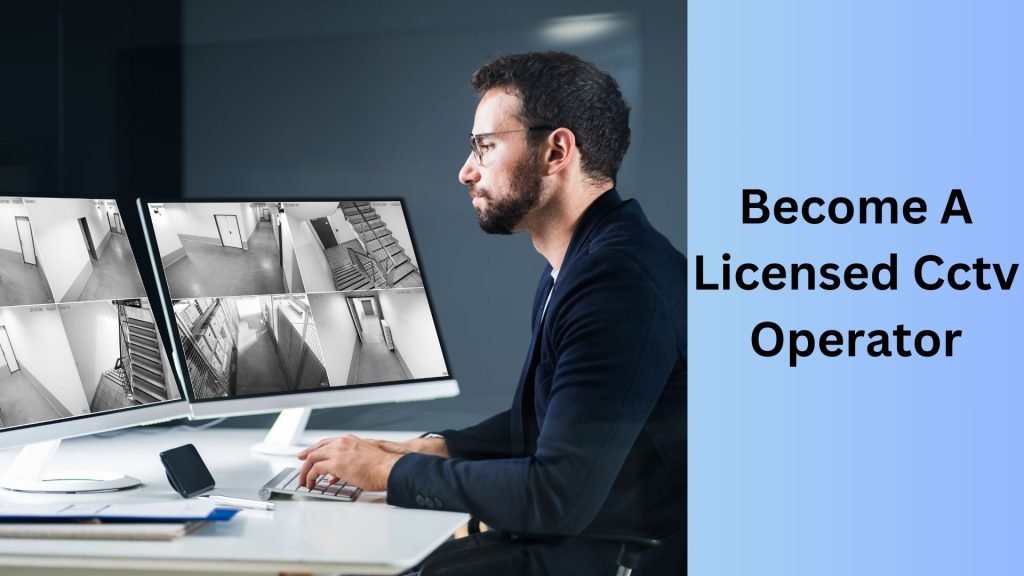
CCTV operators are the eyes and ears of modern security systems. Their responsibilities include:
- Monitoring live footage from multiple cameras
- Identifying and reporting suspicious activities
- Coordinating with security personnel and law enforcement
- Maintaining accurate records of incidents
- Ensuring the proper functioning of surveillance equipment
To excel in this role, you’ll need a combination of technical skills, attention to detail, and the ability to remain calm under pressure. But how do you acquire these skills and become a licensed professional?
The Path to Becoming a Licensed CCTV Operator
Here’s a step-by-step procedure to become a licensed CCTV operator:
Check Eligibility
- Ensure you’re at least 18 years old
- Verify you have the right to work in the UK
- Confirm you can pass a criminal background check
Research SIA Requirements
- Visit the Security Industry Authority (SIA) website
- Familiarize yourself with the licensing requirements for CCTV operators
Choose a Training Provider
- Research SIA-approved training centers
- Consider factors like course format, location, and reviews
- Select a reputable provider like Advance Training Academy
Book Your Course
- Enroll in the Level 2 CCTV Operations (Public Space Surveillance) course
- Choose between in-person, online, or blended learning options
Complete the Training
- Attend all required sessions (typically 3-4 days)
- Participate in both theoretical and practical training
- Study course materials thoroughly
Pass the Assessment
- Take the written examination
- Complete the practical assessment
- Ensure you meet the passing criteria for both components
Apply for SIA License
- Gather necessary documents (ID, proof of address, training certificate)
- Complete the SIA license application form
- Pay the license fee
- Submit your application online or by post
Undergo Background Check
- SIA will conduct a criminal record check
- Provide any additional information if requested
Receive Your License
- Wait for SIA to process your application (can take up to 6 weeks)
- Once approved, you’ll receive your license in the mail
Maintain Your License
- Keep your license valid for 3 years
- Renew before expiration
- Undertake any required refresher training
Seek Employment
- Update your CV with your new qualification
- Apply for CCTV operator positions
- Consider using job placement services offered by your training provider
Continuous Professional Development
- Stay updated on industry trends and technologies
- Consider additional certifications or specialized training
- Join professional organizations for networking and learning opportunities
By following these steps, you’ll be well on your way to becoming a licensed CCTV operator. Remember, the key to success in this field is ongoing learning and adaptability. Good luck on your journey!
The SIA-Approved CCTV Course: What to Expect
The SIA-approved CCTV course is designed to provide you with the knowledge and skills necessary to become a competent and confident CCTV operator. Here’s what you can expect from the course:
Course Duration and Format
- Typically 3-4 days of intensive training
- Combination of classroom instruction and hands-on practical exercises
Key Topics Covered
Roles and Responsibilities of a CCTV Operator
- Legal and ethical considerations
- Code of practice and industry guidelines
CCTV Equipment and Systems
- Types of cameras and their capabilities
- Recording and storage systems
- System maintenance and troubleshooting
Surveillance Techniques
- Observation skills and situational awareness
- Identifying suspicious behavior
- Tracking and following subjects
Communication and Reporting
- Effective communication with team members and authorities
- Incident reporting and documentation
Emergency Procedures
- Responding to various types of incidents
- Coordination with emergency services
Data Protection and Privacy Laws
- Understanding GDPR and other relevant legislation
- Ensuring compliance in CCTV operations
Assessment Methods
- Written examination covering theoretical knowledge
- Practical assessment of operational skills
Beyond the Basics: Advanced Skills for CCTV Operators
While the SIA-approved course provides a solid foundation, truly exceptional CCTV operators develop additional skills that set them apart. Here are some areas where you can enhance your expertise:
Facial Recognition Technology
- Understanding the principles and limitations of facial recognition systems
- Ethical considerations and legal implications
Behavioral Analysis
- Recognizing patterns of suspicious behavior
- Interpreting body language and non-verbal cues
Cyber Security for CCTV Systems
- Protecting surveillance networks from hacking and data breaches
- Implementing secure data storage and transmission protocols
Integration with Other Security Systems
- Working with access control and alarm systems
- Leveraging AI and machine learning in surveillance
Crisis Management
- Developing and implementing emergency response plans
- Conducting post-incident analysis and reporting
By mastering these advanced skills, you’ll position yourself as a valuable asset in the security industry, opening doors to higher-level positions and increased earning potential.
Career Opportunities for Licensed CCTV Operators
Once you’ve obtained your SIA license, a wide range of career opportunities becomes available. Some potential roles include:
Control Room Operator
- Monitor multiple cameras in a centralized location
- Coordinate responses to incidents
Mobile CCTV Operator
- Operate vehicle-mounted surveillance systems
- Provide on-site monitoring for events and high-risk areas
Retail Security Specialist
- Monitor customer behavior to prevent theft
- Assist in loss prevention strategies
Corporate Security Manager
- Oversee CCTV operations for large organizations
- Develop and implement security protocols
Public Safety Officer
- Monitor public spaces for suspicious activities
- Collaborate with law enforcement agencies
Security Consultant
- Advise businesses on CCTV system implementation
- Conduct security audits and risk assessments
The diversity of these roles demonstrates the versatility of a CCTV operator’s skill set and the potential for career growth in the security industry.
The Future of CCTV Operations: Trends and Challenges
As technology continues to evolve, so does the field of CCTV operations. Stay ahead of the curve by keeping an eye on these emerging trends and challenges:
Emerging Technologies
Artificial Intelligence and Machine Learning
- AI-powered analytics for proactive threat detection
- Automated anomaly detection and alerting
5G Networks
- Enhanced video quality and real-time streaming capabilities
- Improved mobile surveillance solutions
Cloud-Based CCTV Systems
- Remote access and management of surveillance footage
- Scalable storage solutions for large-scale operations
Internet of Things (IoT) Integration
- Interconnected sensors and devices for comprehensive security coverage
- Smart building management through integrated surveillance systems
Challenges and Ethical Considerations
Privacy Concerns
- Balancing security needs with individual privacy rights
- Navigating evolving data protection regulations
Cybersecurity Threats
- Protecting CCTV systems from hacking and unauthorized access
- Ensuring the integrity and confidentiality of surveillance data
Technological Obsolescence
- Keeping up with rapidly advancing surveillance technologies
- Managing the costs of system upgrades and replacements
Public Perception
- Addressing concerns about the “surveillance state”
- Demonstrating the value and necessity of CCTV systems
As a licensed CCTV operator, staying informed about these trends and challenges will help you adapt to the changing landscape of the security industry and maintain your competitive edge.
Tips for Success as a CCTV Operator
To excel in your career as a CCTV operator, consider the following tips:
- Stay Focused: Maintain concentration during long monitoring sessions by taking regular breaks and practicing mindfulness techniques.
- Develop Strong Observation Skills: Train your eye to notice subtle details and patterns in behavior.
- Prioritize Continuous Learning: Stay updated on new technologies and security practices through ongoing training and professional development.
- Improve Your Communication Skills: Practice clear and concise communication, both verbally and in writing, to effectively report incidents and collaborate with team members.
- Understand the Legal Framework: Familiarize yourself with relevant laws and regulations to ensure compliance in your operations.
- Maintain Physical and Mental Wellness: The sedentary nature of CCTV operations can be challenging, so prioritize regular exercise and stress management techniques.
- Develop Technical Proficiency: Become an expert in the specific CCTV systems and software used in your workplace.
- Cultivate Situational Awareness: Practice assessing potential risks and threats in various environments, both on and off the job.
- Network Within the Industry: Join professional associations and attend industry events to build connections and stay informed about job opportunities.
- Maintain a Professional Demeanor: Remember that your actions and decisions can have significant consequences, so always approach your work with professionalism and integrity.
FAQs About Becoming a Licensed CCTV Operator
To address some common questions about this career path, here are answers to frequently asked questions:
How long does it take to become a licensed CCTV operator?
The process typically takes 1-2 weeks, including completing the SIA-approved course and obtaining your license.
What is the average salary for a CCTV operator in the UK?
According to PayScale, the average salary for a CCTV operator in the UK is £22,000 per year, with potential for higher earnings based on experience and specialization.
Can I work as a CCTV operator without an SIA license?
No, it is illegal to work as a CCTV operator in the UK without a valid SIA license.
Is previous security experience required to become a CCTV operator?
While previous experience can be helpful, it is not required. The SIA-approved course is designed to provide all necessary training for entry-level operators.
Are there opportunities for career advancement in CCTV operations?
Yes, many CCTV operators progress to supervisory or management roles, or specialize in areas such as system design or security consulting.
Why Choose Advance Training Academy for Your CCTV Operator Course?
When it comes to starting your career as a licensed CCTV operator, choosing the right training provider is crucial. Advance Training Academy offers a comprehensive Level 2 CCTV Surveillance Course (SIA) that stands out for several reasons:
- Expert Instructors: Our trainers are industry professionals with years of real-world experience in CCTV operations.
- State-of-the-Art Facilities: Train on the latest CCTV equipment and software to ensure you’re prepared for any work environment.
- Flexible Learning Options: Choose from in-person, online, or blended learning formats to fit your schedule and learning style.
- Job Placement Assistance: Benefit from our industry connections and receive support in finding employment after certification.
- Ongoing Support: Access to continued learning resources and professional development opportunities even after course completion.
Conclusion: Your Next Steps to a Rewarding Career
Becoming a licensed CCTV operator offers a pathway to a stable, rewarding career in the ever-growing field of security and surveillance. With the right training and certification, you’ll be well-positioned to take advantage of the numerous opportunities in this dynamic industry.
Remember, the journey to becoming a skilled CCTV operator doesn’t end with obtaining your license. Continuous learning, adaptability, and a commitment to excellence will be key to your long-term success in this field.
Are you ready to take the first step towards an exciting career as a licensed CCTV operator?
Book Now Level 2: CCTV Surveillance Course (SIA) – course in today! We offer a comprehensive Door Supervision course program designed to equip you with the tools and confidence to succeed.
Please don’t hesitate to contact us if you have any queries or concerns. We are here to support you on your journey to success. 24/7 Whatsup number: 02089658255 Email: info@advancetraininguk.com